Preparing students for success beyond high school is the central goal of K-12 education. Yet, underserved students—particularly those from low-income backgrounds or marginalized communities—often face significant barriers to career readiness after graduating. These challenges include limited access to skill-building opportunities, fewer pathways to high-demand careers, and persistent socioeconomic disparities.
One promising strategy to bridge this gap is through industry certifications. By equipping students with concrete, verifiable skills, certifications help level the playing field and open doors to meaningful employment. Read on to explore how certifications can support equity in education and career readiness, as well as practical steps schools and districts can take to make these opportunities accessible to all students.
Understanding the Career-Readiness Gap
Despite high school graduation rates nearing 90% in some states, less than half of students are deemed college- and career-ready, highlighting a significant disconnect between diplomas and real-world preparedness. This gap is even more pronounced among underserved students. In fact, only 8% of underserved students feel fully prepared to make post-high school decisions.
These disparities stem from systemic issues such as unequal access to advanced coursework and career and technical education (CTE) programs. While 86% of public high schools offer CTE, not all students, especially those from historically underserved backgrounds, have equal access to these opportunities. Such inequities contribute to the persistent achievement gap and limit students' ability to pursue postsecondary education or enter the workforce with confidence.
How Industry Certifications Promote Equity in Education
Industry certifications serve as a powerful tool to bridge the career-readiness gap and provide greater equity in education, particularly for underserved students.
1. Building Relevant Skills
Certifications provide students with concrete, industry-aligned skills that enhance employability. By focusing on high-demand areas like technology, certification programs fill the skills gaps that employers face, making graduates more attractive to potential employers. In fact, research shows that U.S. workers are increasingly turning to alternative credentials to demonstrate skills and showcase work-readiness.
2. Reducing Barriers to Employment
For students lacking traditional academic achievements, certifications offer a pathway to demonstrate competencies and gain employment. They signal to employers that the candidate possesses the necessary skills to perform specific job functions, thereby reducing barriers to entry in various industries. They also demonstrate a candidate’s growth mindset. Survey results show that 4 out of 5 U.S. hiring decision-makers prioritize candidates who demonstrate a commitment to continuous learning.
3. Bridging the Skills Gap
Certifications address the specific skills gaps identified by employers, particularly in technical and vocational fields. By aligning educational outcomes with labor market demands, certifications ensure that students are equipped with the skills needed in today's workforce.
To meet the demand of current labor markets and local economies, certification offerings should include:
- Microsoft Suite and Google Suite
- Graphic design applications
- Cybersecurity and digital literacy
- Web design tools
- Coding and web development
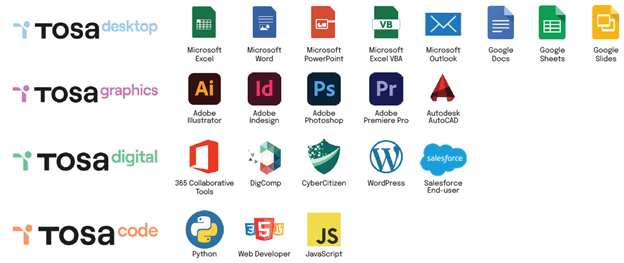
Programs like Tosa offer certifications in digital skills, providing students with verifiable competencies that are recognized by employers globally. By integrating such certifications into the curriculum, schools can enhance career readiness and promote equity in education for all students.
Steps to Level the Career-Readiness Playing Field for Schools and Districts
1. Integrate Certifications into Curriculum
One of the most effective ways to improve career readiness for underserved students is to embed reputable industry-recognized certifications directly into the curriculum. Certification providers like Tosa by Isograd even offer certification-aligned curriculum that prepares students for certification exams while teaching practical, job-related skills. For example, integrating certifications in digital literacy, data analysis, or office productivity can help students gain competencies that are in high demand.
2. Provide Equitable Access
To make certification programs truly equitable, schools and districts should actively seek funding and partnership opportunities. Federal programs like Perkins V offer grants to support CTE and certification integration, and collaboration with local businesses can create sponsorships or scholarship opportunities. Additionally, reducing costs for students through state or district-funded certification programs ensures that financial barriers do not hinder participation.
3. Monitor Outcomes
Tracking and evaluating certification outcomes is crucial to understanding their impact on career readiness. Schools should collect data on skills proficiency levels, post-certification employment, and student feedback to continuously refine their programs. Using data-driven insights helps districts make informed decisions on which certifications are most beneficial for students’ career pathways.
By strategically incorporating certifications into educational programs, schools can foster equitable career readiness and help all students, regardless of background, access meaningful career opportunities.
Preparing All Students for Career Success With Industry-Recognized Certifications
Integrating industry certifications into educational programs offers a practical way to bridge the career-readiness and equity in education gap, particularly for underserved students. By embedding certifications into the curriculum, ensuring equitable access, and tracking outcomes, schools and districts can help students build essential skills that translate directly into employment opportunities.
Learn more about how Tosa’s industry certifications can support career readiness at your school or district and pave professional pathways for every student you serve.